Guten Morgen, dear GermanUSA readers! When you hear “pancakes,” what do you picture? Likely a thick stack, laden with maple syrup, a breakfast staple found in diners across America. But let’s take a delightful detour today to a different kind of pancake, one that holds a special place in the hearts and homes of Germans: the fluffy German yeast pancake.
Known affectionately as *Pfannkuchen* in many regions, or *Eierkuchen* (egg cakes), these aren’t your buttermilk-powered flapjacks. German yeast pancakes offer a unique culinary experience, lighter, airier, and with a nuanced flavor profile that sets them apart. For many Germans living in America, a plate of these brings a wonderful sense of *Heimat* – that untranslatable feeling of home, belonging, and warm nostalgia.
**What Makes Them So German?**
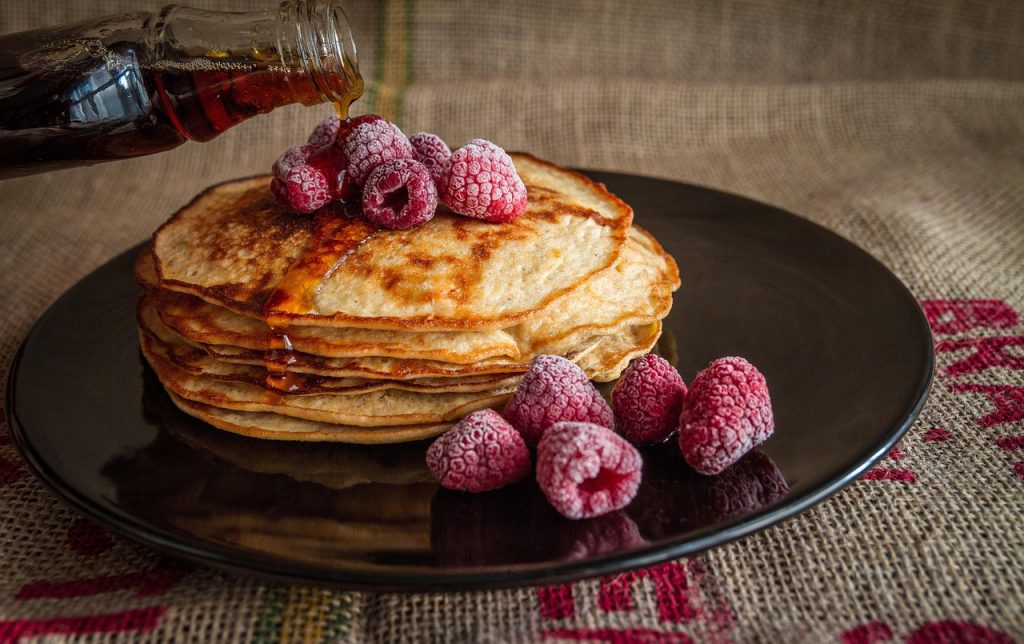
The secret, as the name suggests, lies in the yeast. Unlike quick-rise American pancakes that rely on baking powder or soda, German yeast pancakes are a testament to patience. The yeast allows the batter to ferment slightly, creating tiny air pockets that result in an incredibly soft, delicate texture. When cooked, they become golden-brown discs, subtly crisp at the edges, yet wonderfully tender within. They are often thinner than American pancakes, sometimes even approaching the texture of a thick crepe, but with a richer, more satisfying chew.
This slower process isn’t just about texture, it’s about tradition. Preparing yeast dough, whether for bread or pancakes, is a cherished ritual in German kitchens. It’s a connection to generations past, a sensory experience that fills the home with a comforting, yeasty aroma. Imagine waking up on a lazy Sunday morning, the smell of freshly cooked Pfannkuchen wafting through the house – it’s pure bliss.
**Bringing Heimat to Your American Kitchen**
You might think making yeast pancakes sounds complicated, but I assure you, it’s simpler than you imagine. The process involves mixing warm milk, yeast, a little sugar, eggs, flour, and a pinch of salt. After a gentle mix, the batter rests, allowing the yeast to do its magic and transform it into a bubbly, fragrant delight.
Once risen, the batter is ladled onto a hot, buttered pan and cooked until golden on both sides. The beauty of these pancakes is their versatility. While they are a breakfast favorite, they can just as easily be enjoyed for *Kaffee und Kuchen* (coffee and cake) in the afternoon, or even a light evening meal.
**Serving Suggestions, German Style**
In Germany, you’ll rarely find Pfannkuchen drenched in maple syrup. Instead, the classic accompaniments are simple and fresh:
* **Powdered Sugar:** A generous dusting is often all that’s needed to highlight their delicate flavor. * **Applesauce (Apfelmus):** A staple pairing, the tartness of applesauce beautifully complements the rich pancake. * **Fresh Fruits:** Berries, sliced bananas, or stewed plums (Pflaumenmus) are popular choices. * **Cinnamon Sugar:** A sprinkle of this sweet spice mix adds a cozy warmth. * **Savory Options:** While less common for yeast pancakes than for savory crepes, some enjoy them with a dollop of quark, or even a light spread of liverwurst for a unique lunch.
**More Than Just a Meal**
Beyond their delicious taste, German yeast pancakes represent more than just food; they embody a piece of German culinary heritage. They are a reminder that sometimes the best things in life take a little time, and that simple, authentic ingredients can create the most profound flavors.
So, next time you’re planning a weekend breakfast, why not embark on a small culinary adventure? Try your hand at making these fluffy German pancakes. Share them with your family, tell them the story behind them, and experience a truly authentic taste of Germany – right here in the USA. It’s a delicious way to connect with culture, create new traditions, and enjoy a little piece of *Heimat* in your American home. Guten Appetit!
Word Count: 698