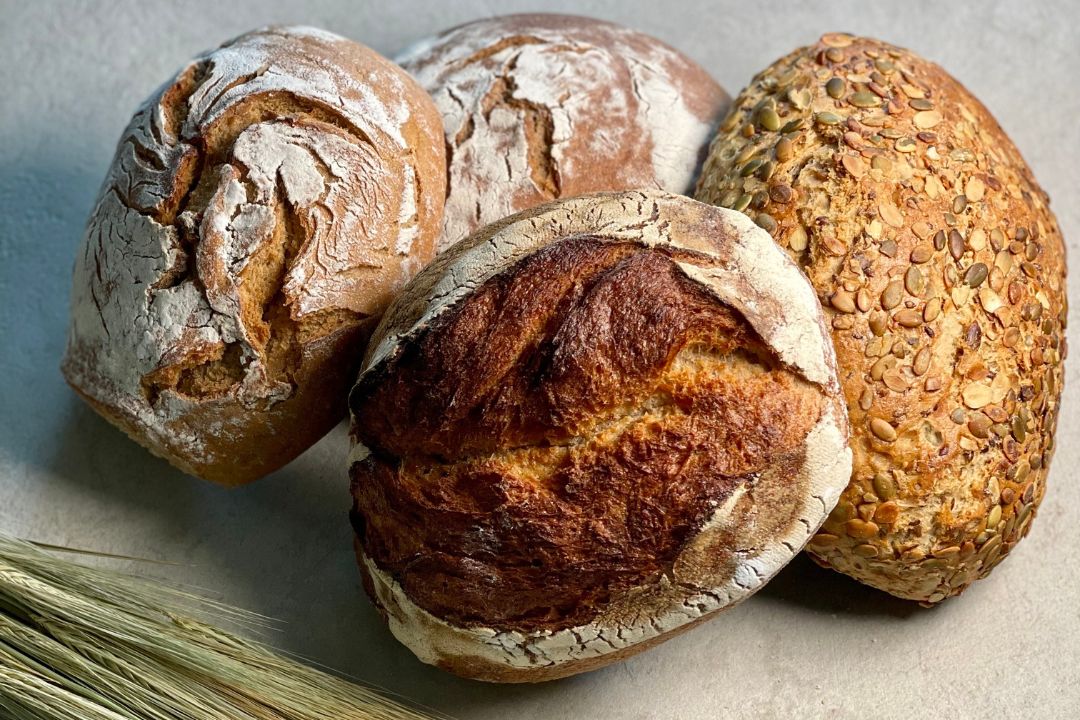
Germany, a land of poets and thinkers, is also a land of unparalleled bread. If you’ve ever visited, or have German roots, you know that German bread isn’t just a carb filler – it’s a way of life, a centerpiece of every meal, and a source of immense pride. In America, where soft, airy loaves dominate supermarket aisles, the hearty, crusty texture of true German Brot can be a revelation, or for those of us who grew up with it, a source of deep longing.
Forget the idea of just “bread.” Germany boasts over 300 types of bread and more than 1,200 kinds of pastries and rolls. From the dense, dark Schwarzbrot (black bread) and hearty Vollkornbrot (whole grain bread) that fuel you through the day, to the perfectly crisp Brötchen (rolls) for breakfast and the iconic, salty Brezeln (pretzels), the variety is astounding. Each region, sometimes even each village, has its own specialities, often steeped in centuries of tradition. It’s a culinary map waiting to be explored, even from across the ocean.
In Germany, bread isn’t merely an accompaniment; it’s the foundation. Frühstück (breakfast) often features a spread of fresh Brötchen, cold cuts, cheeses, and jams. Abendbrot (evening bread) is a traditional light dinner centered around an array of breads, cold cuts, and salads. This reverence for bread reflects a deeper cultural value of craftsmanship, quality, and community. The local Bäcker (baker) is a pillar of the community, and the smell of fresh bread is the aroma of home. When we share German bread, we are sharing a piece of our heritage, a taste of our past.
For Germans and German-Americans in the USA, the quest for authentic bread is real. Thankfully, the German diaspora has ensured that true German bakeries can be found in many cities across America. From traditional family-run shops baking sourdough rye loaves identical to those in Germany, to specialty delis importing frozen dough, the options are growing. Look for “Bäckerei” or “Konditorei” in your local directory, or explore German-American heritage towns known for their culinary traditions. Sometimes, a quick search for “German bakery near me” can uncover a hidden gem.
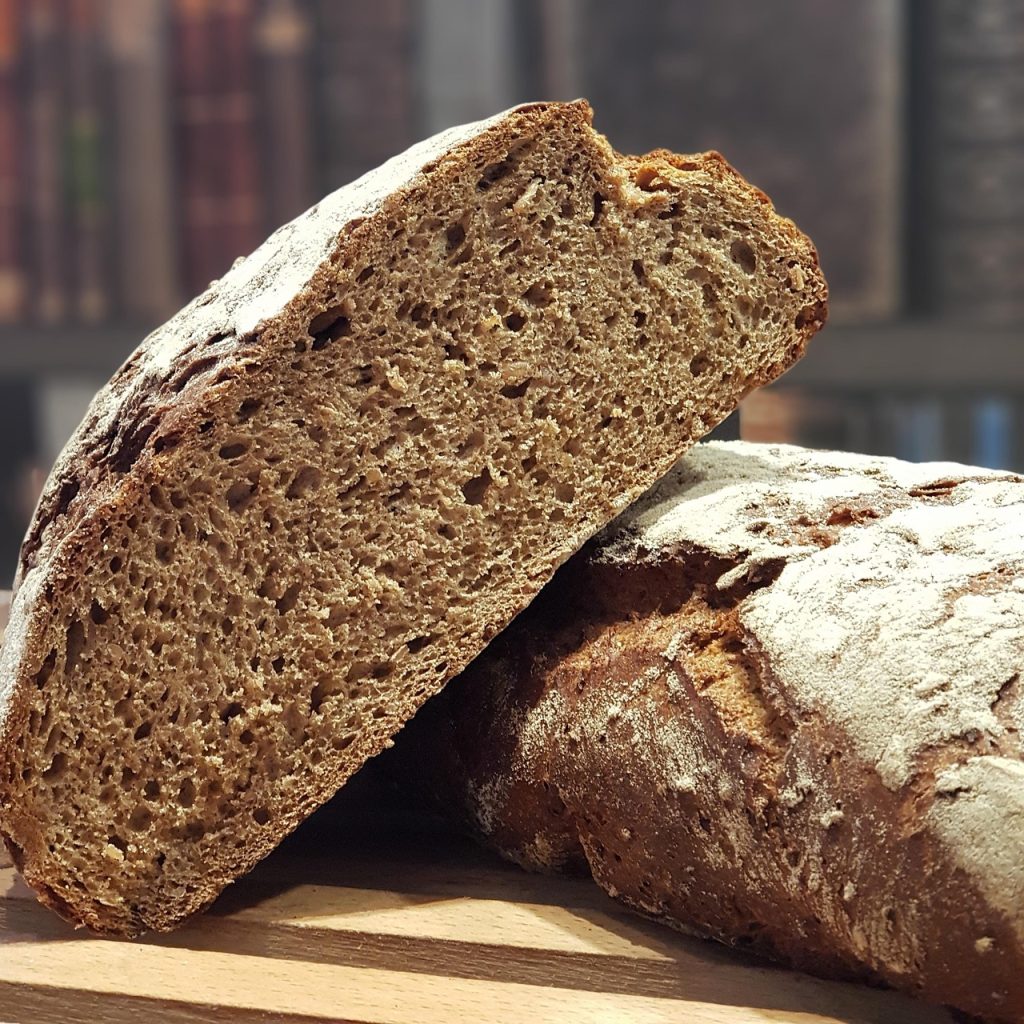
What makes German bread so distinct? It often comes down to ingredients like rye flour, sourdough starters, and a longer fermentation process. This results in bread with a lower glycemic index, higher fiber content, and a richer, more complex flavor profile. The dense crumb, often with visible seeds, and the thick, crusty exterior are hallmarks. It’s bread that holds up to hearty toppings, soaks up gravies beautifully, and satisfies in a way no other bread can. It’s also bread that stays fresh for days, a testament to its quality ingredients and careful preparation.
For many German-Americans, biting into a slice of authentic Schwarzbrot is more than just eating – it’s a connection to grandparents, to childhood memories, to a heritage that spans continents. It’s a reminder of shared meals, family stories, and the enduring comfort of tradition. This is why GermanUSA.com is so passionate about helping you find these tastes of home. Whether you’re a seasoned German bread connoisseur or curious to try something new, embracing German bread is an invitation to explore a rich culture and history.
So next time you’re thinking about bread, consider stepping beyond the ordinary. Seek out a German bakery, try a new type of Brot, or perhaps even experiment with baking your own. You might just discover the soul of German bread, and a deeper connection to a wonderful culinary tradition. What’s your favorite German bread, and where do you find it in America? Share your thoughts with us!