Every Easter, millions of American families wake up to baskets filled with chocolate eggs, go on egg hunts in the backyard, and decorate colorful Ostereier with their kids. Most of them have no idea they are celebrating a German tradition.
I grew up in Germany, and when I moved to the United States, Easter was one of the first moments where I thought: wait, this is exactly what we do at home. The names are different, the chocolate is different (and honestly, not as good), but the roots are unmistakably German.
The Easter Bunny Came from Germany
The Osterhase — the Easter Hare — originated in German Lutheran communities in the 17th century. The original Osterhase was a mythical creature who judged whether children had been good or bad, and left colorful eggs for the well-behaved ones. German immigrants, especially in Pennsylvania, brought this tradition to America in the 18th century. Over time, the hare became a bunny, the eggs became chocolate, and the rest is history.
The White House Easter Egg Roll? Also traces back to German immigrant traditions.
Easter Egg Hunts — Straight from the Osterhase
In Germany, children would build little nests out of moss and leaves in the garden for the Osterhase to lay eggs in. That nest became the Easter basket. The hunt for hidden eggs is a direct descendant of this tradition. If your kids are running around the backyard this Easter Sunday, they are participating in something that started in 17th-century Germany.
The Easter Tree (Ostereierbaum)
Less well-known in America but still practiced in German-American communities: the Ostereierbaum, or Easter egg tree. Blown and hand-painted eggs are hung from tree branches — a tradition similar in spirit to the Christmas tree. You can still find them in Pennsylvania Dutch country and at some German-American cultural centers.
Osterfeuer — Easter Bonfires
In many parts of Germany, communities light large bonfires on Easter Saturday night — the Osterfeuer — to symbolize the end of winter and the arrival of spring. Some German-American communities in the Midwest still keep this tradition alive. If you have never seen one, it is worth seeking out.
How to Celebrate Easter the German Way in America
- Build a real Osternest (Easter nest) out of moss or straw instead of a plastic basket
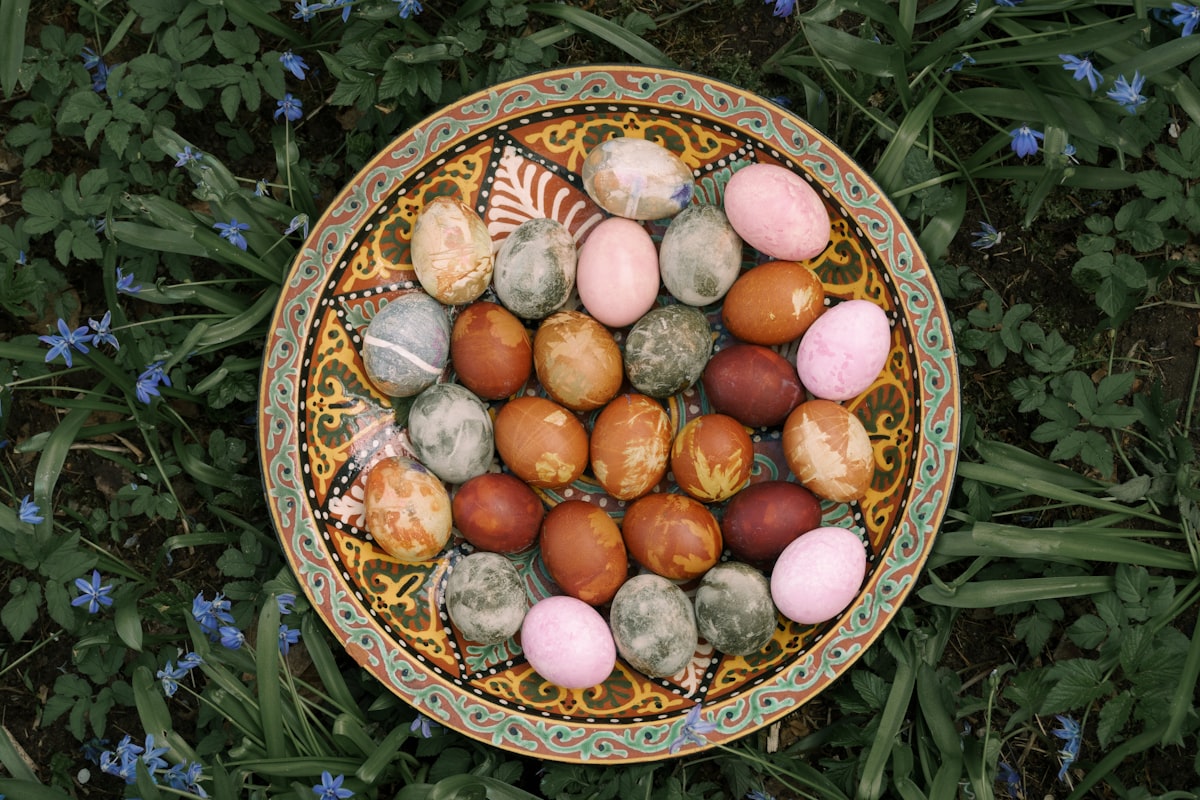
- Dye eggs naturally using onion skins (yellow/brown) or red cabbage (blue/purple) — the traditional German method
- Bake a Osterlam — a lamb-shaped cake that is a staple of German Easter tables
- Hang painted eggs from a branch in a vase — your own Ostereierbaum
Stock Up on German Easter Treats
If you want to go all-in on a proper German Easter, GermanShop24 has a great selection of German Easter chocolates and seasonal sweets — Lindt, Ritter Sport Easter editions, marzipan eggs, and more. The kind of things you’d find in a German supermarket this time of year, shipped to your door in the US.
Easter is April 20th this year. Frohe Ostern — Happy Easter — from all of us at GermanUSA.